You turn the key or press the start button, and your engine comes to life. It seems like a simple process, but several electrical components work together to make it happen.
Three of the most important are your battery, alternator, and starter. Each has a different job, but they depend on one another to keep your vehicle starting and running properly.
If one of these components develops a problem, you may experience anything from slow engine cranking to a completely unresponsive vehicle.
Understanding how these systems work together can help you recognize early warning signs and know when your vehicle needs attention.
What Does Your Car Battery Do?
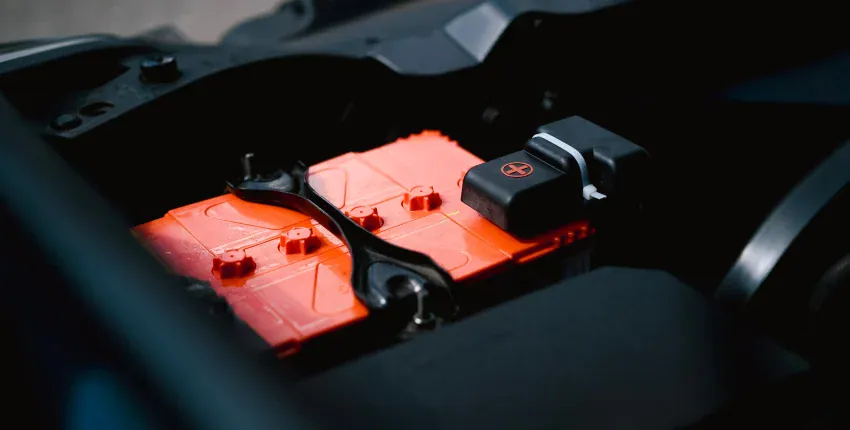
Think of your car battery as the electrical energy storage system that helps get everything started.
Its primary job is to provide the electrical power needed to start the engine. It also supplies electricity to certain vehicle systems when the engine is off and helps stabilize voltage throughout the electrical system.
When you turn the key or press the start button, the battery sends a strong electrical current to the starter motor.
A healthy battery also helps power accessories such as interior lights, security systems, and other electronics when the engine is not running.
Signs Your Battery May Be Wearing Out
Car batteries do not last forever. Temperature changes, driving habits, electrical demands, and age can all affect battery performance.
Watch for these warning signs:
- Slow engine cranking: The engine takes longer than usual to turn over when starting.
- Dim headlights: Lights may appear weaker, particularly when the engine is off.
- Electrical issues: Power windows, dashboard displays, or other electronics may behave inconsistently.
- Battery warning light: A dashboard warning may indicate a charging system issue, not necessarily a failed battery.
- Repeated jump-starts: If your vehicle regularly needs a jump-start, the battery or charging system may need attention.
If you notice these symptoms, have the battery and charging system tested rather than assuming the battery is the only problem.
What Does the Alternator Do?
Once your engine starts, the alternator takes over an important part of the electrical workload.
Driven by the engine through a belt, the alternator generates electrical power while the engine is running. It supplies electricity to systems such as the headlights, climate controls, entertainment system, and other electronics. It also recharges the battery after startup and helps maintain its charge.
Without a properly functioning alternator, your vehicle may continue running for a while using the battery’s remaining energy, but eventually the battery can become depleted.
Signs Your Alternator May Be Having Problems
An alternator problem can sometimes look like a battery issue because both affect the vehicle’s electrical supply.
Here are some symptoms to watch for:
- A battery warning light: This may indicate that the charging system is not operating as expected.
- Dimming or flickering lights: Headlights and dashboard lights may change brightness unexpectedly.
- Electrical accessories acting strangely: Electronics may work inconsistently if the electrical supply is unstable.
- Unusual noises: A failing alternator bearing or a problem with the drive belt can produce whining, grinding, or squealing sounds.
- A battery that keeps losing charge: If the alternator is not replenishing the battery properly, you may experience repeated starting problems.
An alternator should be tested before replacing the battery simply because the vehicle will not start. Otherwise, you could install a new battery only to have the same problem return.
What Does the Starter Do?
The starter motor is responsible for turning the engine over so combustion can begin.
When you turn the ignition key or press the start button, the battery sends electrical current to the starter system. The starter motor then engages with the engine’s flywheel or flexplate and rotates the engine until it can run on its own.
Once the engine starts, the starter disengages.
Because the starter requires considerable electrical power, it relies on a sufficiently charged battery and properly functioning electrical connections.
Signs Your Starter May Be Failing
Starter problems can make it difficult or impossible to start your vehicle.
Common warning signs include:
- A clicking sound when starting: You may hear one or more clicks without the engine turning over.
- Grinding noises: A grinding sound during startup may indicate an issue involving the starter or its engagement with the flywheel.
- Intermittent starting: Sometimes the vehicle starts normally, while other times it struggles or does not respond.
- No response when turning the key: The engine may not crank at all, although electrical accessories may still work.
- Slow or unusual cranking: This can also be caused by a weak battery, poor electrical connections, or other starting system problems.
A clicking sound does not automatically mean the starter needs replacement. A weak battery, corroded terminals, or loose connections can create similar symptoms.
Proper testing helps identify the actual cause.
How Do the Battery, Alternator, and Starter Work Together?
Although these components have separate functions, they form a connected system that allows your vehicle to start and continue running.
Here is how the process works:
Step 1: You start the vehicle.
When you turn the key or press the start button, the battery supplies electrical power to the starter motor.
Step 2: The starter turns the engine.
The starter engages with the engine and rotates it until combustion begins and the engine starts running independently.
Step 3: The alternator begins generating electricity.
Once the engine is running, the alternator supplies electrical power to the vehicle’s systems and helps recharge the battery.
Step 4: The battery remains ready for the next start.
As you drive, the alternator helps maintain the battery’s charge so it has enough stored energy for the next time you start your vehicle.
If one component is not working correctly, the others may be affected. For example, a faulty alternator can leave the battery undercharged, while a weak battery may not provide enough power for the starter to turn the engine effectively.
Why Do Starting and Charging Problems Sometimes Feel the Same?
One of the tricky things about electrical problems is that different component failures can produce similar symptoms.
For example, if your vehicle does not start, you might immediately assume the battery is dead. However, the actual issue could involve the alternator, starter, battery terminals, wiring, or another part of the starting and charging system.
Consider these examples:
- The battery is weak: The starter may click or turn the engine slowly because there is not enough electrical power.
- The alternator is failing: The battery may gradually lose its charge while driving, eventually leaving the vehicle unable to start.
- The starter is faulty: The battery may be fully charged, but the engine still will not crank.
- The electrical connections are corroded or loose: Power may not reach the starter or other components reliably.
This is why testing the entire starting and charging system is often more useful than replacing individual components based on symptoms alone.
How Can You Help Keep Your Starting and Charging System Healthy?
A few simple maintenance habits can help you avoid unexpected starting problems.
- Have your battery tested: Periodic testing can help identify reduced battery performance before it leaves you stranded.
- Keep battery terminals clean: Corrosion around the terminals can interfere with electrical connections.
- Pay attention to warning lights: A battery or charging system warning should not be ignored.
- Listen for unusual sounds: Clicking, grinding, or squealing during startup can indicate a developing problem.
- Avoid leaving electronics running unnecessarily: Leaving headlights or accessories on while the engine is off can drain the battery.
- Drive your vehicle regularly: Repeated short trips may not give the alternator enough time to replace the charge used during startup.
- Address starting problems early: Repeated jump-starts or intermittent starting should prompt a proper inspection.
Cold weather also deserves special attention. Low temperatures can reduce battery performance while making it harder for the engine to turn over. This can place additional demands on the starting and charging system.
Keep Your Starting and Charging System in Good Shape
Your battery, alternator, and starter may perform different jobs, but they all contribute to one important task: getting your vehicle started and keeping it running.
If your engine is slow to crank, your dashboard lights are flickering, or you have needed more than one jump-start recently, it may be time to have the system checked.
At Boise Muffler Auto Repair, we can help investigate starting and charging concerns, identify potential electrical issues, and determine which components need attention. Schedule an appointment and let our team help keep your vehicle starting reliably, whatever the season brings.