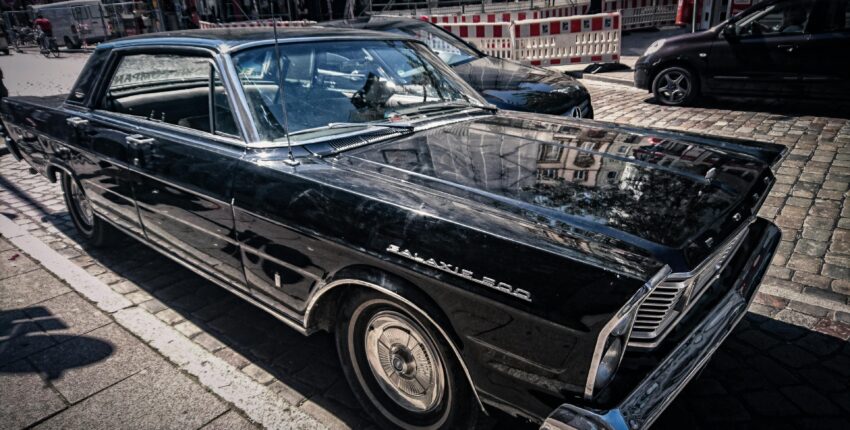
There’s nothing quite like a classic car. The rumble of an engine built when horsepower was a point of pride. The weight of a steel door closing with that satisfying thunk. The craftsmanship of an era when every curve and detail was designed with intention. A classic car has character. It has history. And if you take care of it, it’ll reward you with decades more of turning heads and raising pulses.
But classics demand respect. The same qualities that make them special — the hand-built engines, the analog electrical systems, the all-metal bodywork — also make them more demanding to maintain. Ignore a small problem on a modern car and the onboard computer might manage it for a while. Ignore it on a classic, and you’re looking at a parts hunt, a hefty repair bill, or worse, permanent damage to something irreplaceable.
Here’s how to keep your classic in the shape it deserves.
Feed It Right: Fluid Maintenance
Think of your classic’s fluids the way you’d think of nutrition. Old, degraded oil running through a vintage engine isn’t maintaining it — it’s slowly wearing it down. Many classic engines have different lubrication needs than modern ones, which means they’re less forgiving when oil breaks down.
Change it regularly. Then give the same attention to transmission fluid, brake fluid, coolant, and differential fluid. These aren’t just numbers on a maintenance checklist — they’re what stand between your engine’s internals and metal-on-metal destruction. And if your car spends time in storage, don’t assume parked means preserved. Fluids degrade whether the car moves or not.
Don’t Let It Run Hot: The Cooling System
Overheating is the classic car owner’s recurring nightmare — and for good reason. Older cooling systems simply weren’t built to the efficiency standards of modern designs. A cracked hose, a weak thermostat, or a radiator clogged with decades of buildup can turn a Sunday drive into a very expensive tow.
Inspect hoses, belts, and coolant levels regularly. Watch for rust and corrosion inside the system. Get the radiator professionally inspected if it hasn’t been done recently — a clogged radiator that looks fine from the outside can be quietly failing on the inside. In a place like Boise, where temperatures can swing dramatically between seasons, your cooling system is working harder than you might think.
Respect the Wiring: Electrical System Care
Classic car electrical systems have a reputation, and it’s not entirely undeserved. Aged wiring, corroded terminals, and weak grounds can turn a minor inconvenience into an afternoon of frustration — or a fire hazard if left unchecked. If your car sits for long stretches, battery maintenance becomes even more critical. Batteries don’t stay patient when ignored.
Keep terminals clean, inspect wiring for cracking or brittleness, and invest in a quality battery maintainer for storage periods. When something electrical starts acting strange, don’t shrug it off. Wiring doesn’t fix itself.
Drive the Thing
This one surprises some owners: the worst thing you can do for a classic car is never drive it. Seals dry out. Fuel deteriorates. Tires develop flat spots. Brake components corrode. A car that sits too long starts working against itself.
You don’t need to rack up miles — just take it out every few weeks, let everything circulate and lubricate, and remind the car what it was built for. Just be choosy about where you drive it. Rough roads, excessive moisture, and harsh conditions are harder on older suspension and bodywork than on modern vehicles designed to absorb punishment.
Watch the Tires
Tread depth tells only part of the story. A classic that gets driven occasionally might have tires that look perfectly fine while quietly becoming dangerous — rubber degrades with age, sun exposure, and temperature fluctuations. Cracked sidewalls and dry rot don’t always announce themselves until it’s too late.
Check pressure regularly, rotate tires periodically, and inspect for cracking or bulging. And keep the wheels aligned — on older vehicles with worn suspension components, alignment issues can chew through tires unevenly and make the car handle unpredictably.
Don’t Gamble With the Brakes
Older brake systems are reliable when maintained and unforgiving when neglected. Rubber seals crack. Brake lines corrode. Hydraulic components wear. Brake fluid absorbs moisture over time, which causes internal corrosion and reduces stopping performance — often gradually, which makes it easy to miss.
Soft pedal feel, squealing, pulling to one side, or any visible leaks are signs that service is overdue. Flush the brake fluid regularly and get a professional inspection before any long drive or event. This isn’t an area for optimism.
Store It Like You Mean It
Weather is indifferent to your investment. Humidity, rain, snow, and freeze-thaw cycles will attack every vulnerable surface on your classic if given the chance — paint, undercarriage, rubber, metal. A clean, dry garage is the best protection money can buy.
Before putting it away for the season, wash and wax the exterior, fill the fuel tank, add a stabilizer, keep the battery maintained, and cover it with something breathable. Idaho winters, in particular, bring the kind of moisture and temperature swings that accelerate rust faster than most owners realize.
Treat the Fuel System With Care
Modern ethanol-blended fuels and classic cars have an uneasy relationship. Ethanol attracts moisture, and older rubber seals, hoses, and carburetor components weren’t designed with it in mind. Fuel that sits too long breaks down into varnish deposits that clog jets and passages throughout the system.
Use a fuel stabilizer during storage, replace aging fuel lines before they become a problem, and keep the carburetor properly tuned. Hard starting, rough idling, or hesitation are signals — don’t wait for a full breakdown before investigating.
Replace Rubber Before It Fails
Belts, hoses, bushings, and seals don’t age gracefully. They crack, harden, and fail — often without much warning. A snapped drive belt or a burst radiator hose can do serious engine damage in a matter of minutes.
Make a habit of inspecting all rubber components regularly: radiator hoses, vacuum lines, fuel lines, drive belts, and suspension bushings. Replacing a $30 hose proactively beats replacing an engine.
Don’t Ignore the Small Stuff
Classics rarely fail catastrophically out of nowhere. They whisper first — a small leak here, an odd noise there, a slight hesitation on startup. These are the car telling you something. Listen.
Preventative maintenance isn’t just about avoiding breakdowns. It’s about preserving something worth preserving, and making sure the next drive is as good as the last.
Find a Shop That Gets It
Working on a classic isn’t the same as working on a modern vehicle, and not every technician understands that. You want someone who approaches a vintage car with knowledge and patience — not someone who treats it like any other job on the lift.
Boise Muffler Auto Repair has been serving Garden City and the greater Boise area since 1984. We know classic vehicles, communicate honestly, and treat every car with the care it deserves.
If your classic is due for an inspection or you just want experienced eyes on it before the season changes, give us a call. Your car earned it.