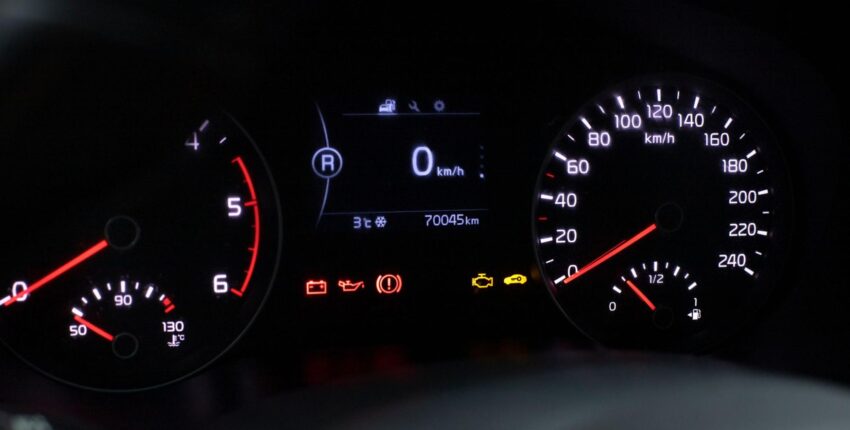
Few things grab a driver’s attention faster than seeing the check engine light on the dashboard. It’s often accompanied by a sinking feeling and a slew of questions. What does it mean? Is the car safe to drive? How much will repairs cost? For drivers throughout Garden City and the greater Boise area, understanding the nuances of check engine light diagnostics can transform this daunting experience into a manageable task. In this guide, we’ll explore the ins and outs of dealing with this common automotive issue, focusing on practical advice and local insights.
Understanding the Check Engine Light
The check engine light, part of your vehicle’s onboard diagnostics system, is a signal that something is amiss under the hood. While the light can indicate a range of issues, from minor to serious, understanding its meaning is crucial for timely and effective troubleshooting.
What Triggers the Check Engine Light?
The light is activated by your vehicle’s computer system, which monitors various sensors and components. When something isn’t functioning correctly, the system records a diagnostic trouble code (DTC) and illuminates the light. Common triggers include loose gas caps, faulty oxygen sensors, or more complex engine problems.
For instance, picture this: you’re driving home from work, and you notice the check engine light flickers on. It might be as simple as a loose gas cap from your last stop at the fuel station. Tightening it can solve the issue, saving you an unnecessary trip to the mechanic.
Different Types of Lights
It’s important to note that not all check engine lights are created equal. A steady light often suggests a minor issue, such as a sensor malfunction or a non-critical component failure. However, a flashing light indicates a severe problem that requires immediate attention, like a misfiring engine. Knowing the difference can help you decide whether to head straight to a mechanic or schedule a convenient appointment.
Understanding these distinctions can not only save you time but also prevent further damage to your vehicle. For example, continuing to drive with a flashing light might lead to more extensive and costly repairs down the road.
How Long Can I Drive With the Check Engine Light On
One of the most common questions drivers ask is how long can I drive with the check engine light illuminated. The honest answer depends on the cause. If the light is steady and the vehicle feels normal, short trips may be acceptable until you can have it inspected. However, driving for weeks or months without diagnostics is never recommended.
If the check engine light is flashing, driving should be limited as much as possible. Flashing lights often signal misfire symptoms such as shaking, loss of power, or rough idle. Continuing to drive under those conditions can lead to expensive exhaust and engine damage.
Professional check engine light diagnostics in Boise, ID allow you to know exactly what you are dealing with instead of guessing.
The Most Common Check Engine Light Causes
While hundreds of potential issues can trigger a warning light, some causes appear far more often than others. Understanding these common problems helps explain why proper diagnostics matter.
Loose Gas Cap Check Engine Light
It may sound surprising, but a loose gas cap check engine light is one of the most frequent causes drivers experience. Your fuel system is sealed to prevent harmful vapors from escaping. If the gas cap is loose, cracked, or missing, pressure leaks can trigger the warning light.
Tightening or replacing the cap often resolves the issue, but the light may take a few drive cycles to turn off. If it does not, diagnostics are still important to rule out other evaporative system leaks.
Oxygen Sensor Symptoms
Oxygen sensors measure how much oxygen is present in the exhaust and help the engine adjust fuel delivery. When oxygen sensor symptoms appear, fuel economy often drops and emissions increase. A failing oxygen sensor can also cause the engine to run rich or lean, which affects performance over time.
Ignoring oxygen sensor issues can lead to catalytic converter damage, making early diagnosis and repair a smart investment.
Mass Airflow Sensor Symptoms
The mass airflow sensor plays a major role in determining how much air enters the engine. Mass airflow sensor symptoms often include hesitation during acceleration, stalling, or poor throttle response. Dirt, debris, or electrical faults can interfere with accurate readings.
Because airflow data affects fuel mixture, unresolved sensor problems can cause long term engine performance issues. Skilled diagnostics are required to confirm whether cleaning or replacement is needed.
Misfire Symptoms
Engine misfires occur when combustion does not happen properly in one or more cylinders. Misfire symptoms can include rough idling, shaking while driving, reduced power, or unusual exhaust smells. Spark plugs, ignition coils, fuel injectors, and even engine compression issues can be involved.
Misfires are one of the most critical check engine light causes because they can quickly damage exhaust components if left unresolved. A flashing light is often tied to active misfires.
Catalytic Converter Issues
The catalytic converter reduces harmful emissions before they exit the exhaust system. When it fails, drivers may notice sluggish acceleration, rattling noises, or sulfur like smells. Replacing a catalytic converter can be costly, which is why catching related issues early is so important.
At Boise Muffler Auto Repair, catalytic converter diagnostics and replacement are a core specialty, making accurate identification of related problems especially valuable for local drivers.
Electrical System Problems
Modern vehicles depend heavily on electronics. Wiring issues, failing sensors, or charging system problems can all trigger the check engine light. Automotive electrical repair requires experience and advanced diagnostic tools to trace faults without unnecessary part replacement.
Battery or alternator issues can sometimes cause multiple warning lights, making professional testing essential.
Why Guessing Is Not Enough
Many auto parts stores offer basic code scans, but reading a code is not the same as diagnosing the problem. An obd2 codes list can point to a general system, but it does not explain why the code appeared. Proper diagnostics involve testing components, checking data readings, and confirming the true root cause.
Without thorough diagnostics, parts may be replaced unnecessarily while the real issue remains. This approach wastes time and money and can allow problems to worsen.
The Value of Professional Check Engine Light Diagnostics in Boise, ID
Accurate check engine light diagnostics in Boise, ID require experience, training, and professional equipment. At Boise Muffler Auto Repair, our technicians use advanced diagnostic tools to evaluate sensor data, engine performance, and system operation as a whole.
Serving Garden City and the greater Boise area since 1984, we have built a reputation for honest answers and dependable repairs. What started as a small muffler shop has grown into a full-service automotive repair facility trusted by generations of local drivers.
From minor sensor concerns to complex engine and exhaust issues, diagnostics are performed with care and attention to detail. Clear explanations are provided so you understand what is happening and why specific repairs are recommended.
What to Do Next If Your Check Engine Light Is On
When your check engine light comes on, do not panic and do not ignore it. Pay attention to how your vehicle feels and whether the light is steady or flashing. Avoid unnecessary driving if performance feels off, and schedule professional diagnostics as soon as possible.

The sooner the issue is identified, the easier and more affordable it often is to repair. Accurate diagnostics protect your engine, improve fuel efficiency, and give you confidence behind the wheel.
If your check engine light is on and you want clear answers from a team that has served the Boise area with integrity since 1984, visit or contact Boise Muffler Auto Repair in Garden City today. Our experienced technicians are ready to diagnose the problem, explain your options, and get you back on the road with confidence.